 PT
 EN
Radio
Analog vs digital radio: what changes in security
On patrol, what changes is not the PTT button. It is who joins the call, how the voice arrives at the edge of the compound, and whether the gate group talks to the control-room group.
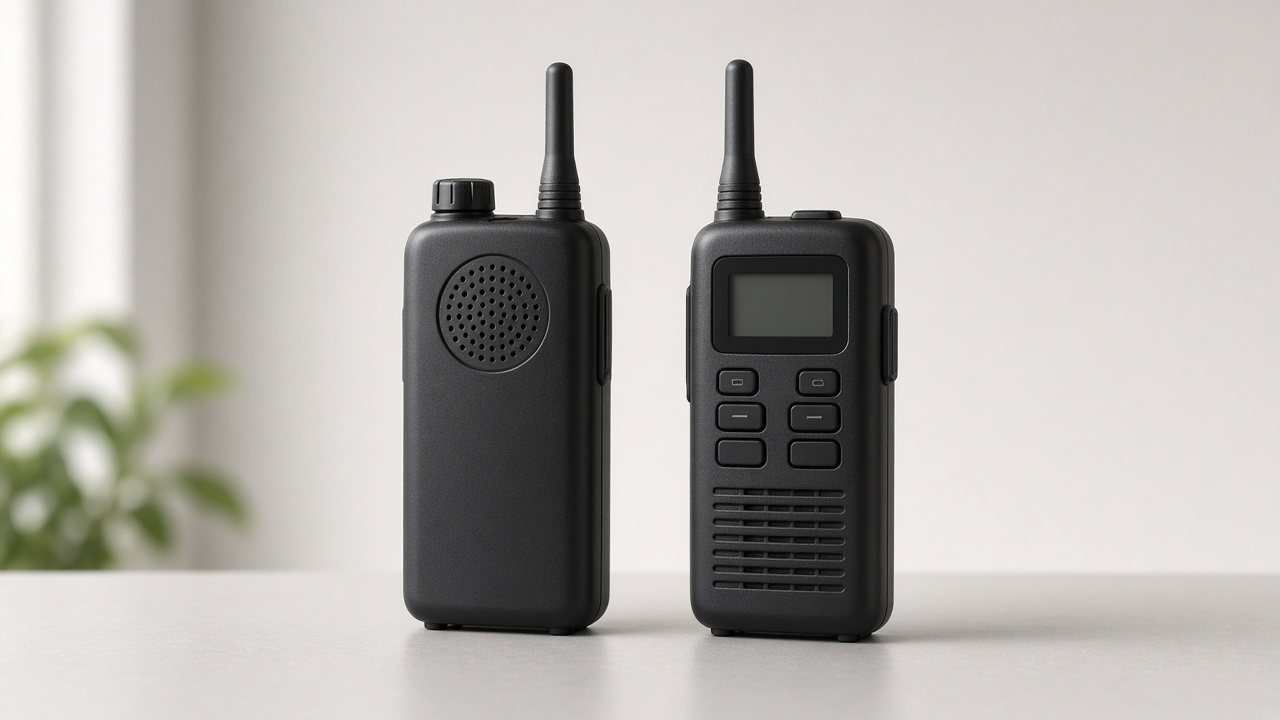
In security, the radio is not there to “have a set”. It is there so the patrol, the gate and the control room talk at the same moment. Analog and digital do that job on the site UHF or VHF channel. What changes is how the call behaves when there is noise, when the group grows, and when someone on the perimeter is still in range.
Palo Security supplies ICOM, Caltta, Hytera, Motorola, Kirisun and Inrico radios, handhelds, vehicle radios and base stations. The type — analog, digital, or both in the same request — is set in the quote. The technical difference between the two formats is in another article; this one covers what that does to the operation.
What the patrol hears
On analog, voice is continuous. Near the edge of range the noise rises: the call still exists, but PTT becomes hard to make out. On digital the voice stays clean while the signal arrives; when it stops arriving, the call cuts. On patrol that changes the request: a post at the back of the compound may “still be heard” on analog with hiss, or “no longer open” on digital. Neither invents coverage. The band — UHF or VHF — remains another choice, in another article.
Who joins the group
An analog group and a digital group do not talk to each other just because they share a band. If the gate stayed analog and the control room moved to digital, the incident at the door does not reach the room on the same PTT. In security that is a hole in the chain, not a detail of the set. Extending the same group needs sets that talk in that group. Moving the whole set to digital is another path, for every post that must hear the same call.
What does not change
- Both need a frequency authorised at the regulator. Digital does not drop the channel licence.
- Both are two-way on the compound, without the internet. PoC (IP radio) is another system: PTT travels on a SIM or on Wi-Fi. It is not “digital” in this article.
- Neither analog nor digital replaces the camera, the alarm or the tracker. The radio is the team’s voice.
What changes in a security request
The request stops being “we want digital radios” and becomes: who must hear whom. Gate, foot patrol, vehicle, control room. If an analog group already works, one digital radio on its own does not join that call. If the operation needs several groups on the same compound — patrol on one, gate on another — that points to digital on the same kind of channel; DMR and TETRA are in another article.
What to say in the request
- Who must talk to whom: gate, patrol, vehicle, control room.
- Whether the radios on site are analog, digital, or there is no channel yet.
- How many handhelds, vehicle radios and base stations, and whether the call must leave the compound — that is when PoC is assessed apart.
We do not invent the channel. The frequency is authorised at the regulator. The sets and the type — analog, digital, or both — are set in the quote. Tell us the operation and what is already in the group. We prepare the request.
Need this for the team?
Tell us the quantity and the site. We prepare the quote.
More articles
 SIP trunk
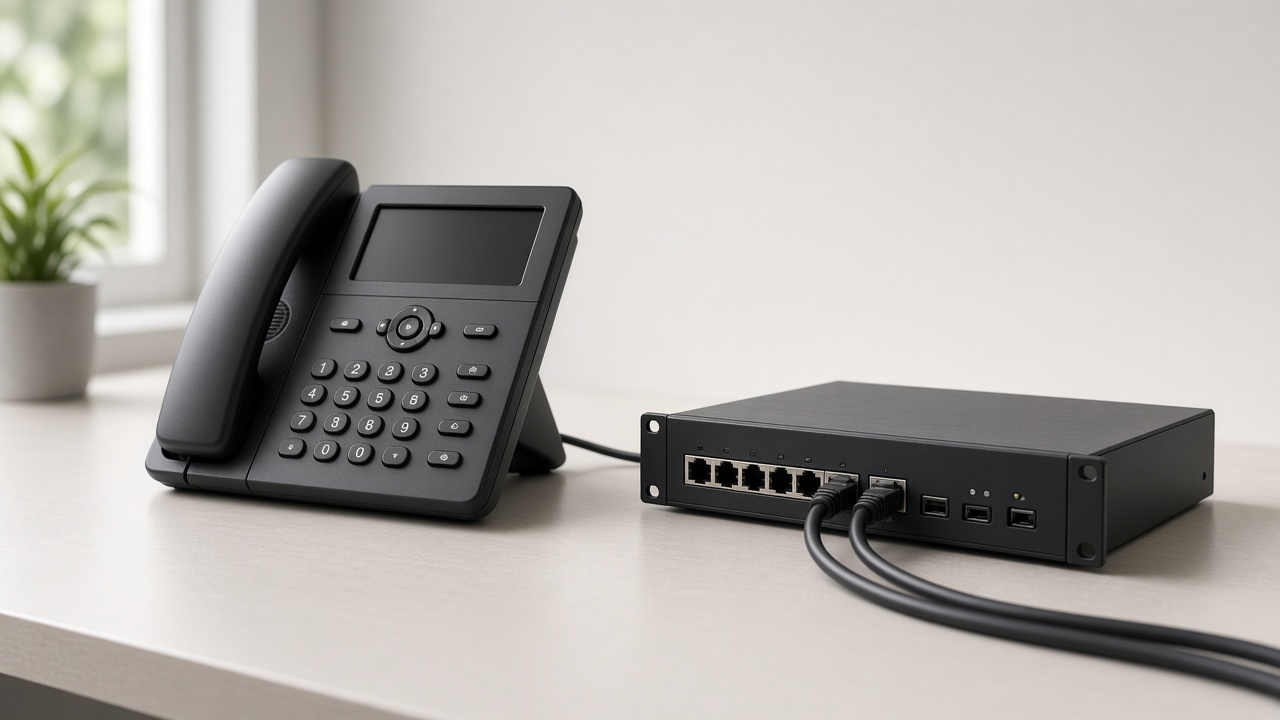
How to configure a SIP trunk on a Grandstream PBX
On Grandstream the SIP trunk is the operator account on the system. Without a registered trunk, Fanvil extensions do not reach the outside. In Mozambique the line comes through Movitel, Vodacom or Tmcel.
 SIP trunk
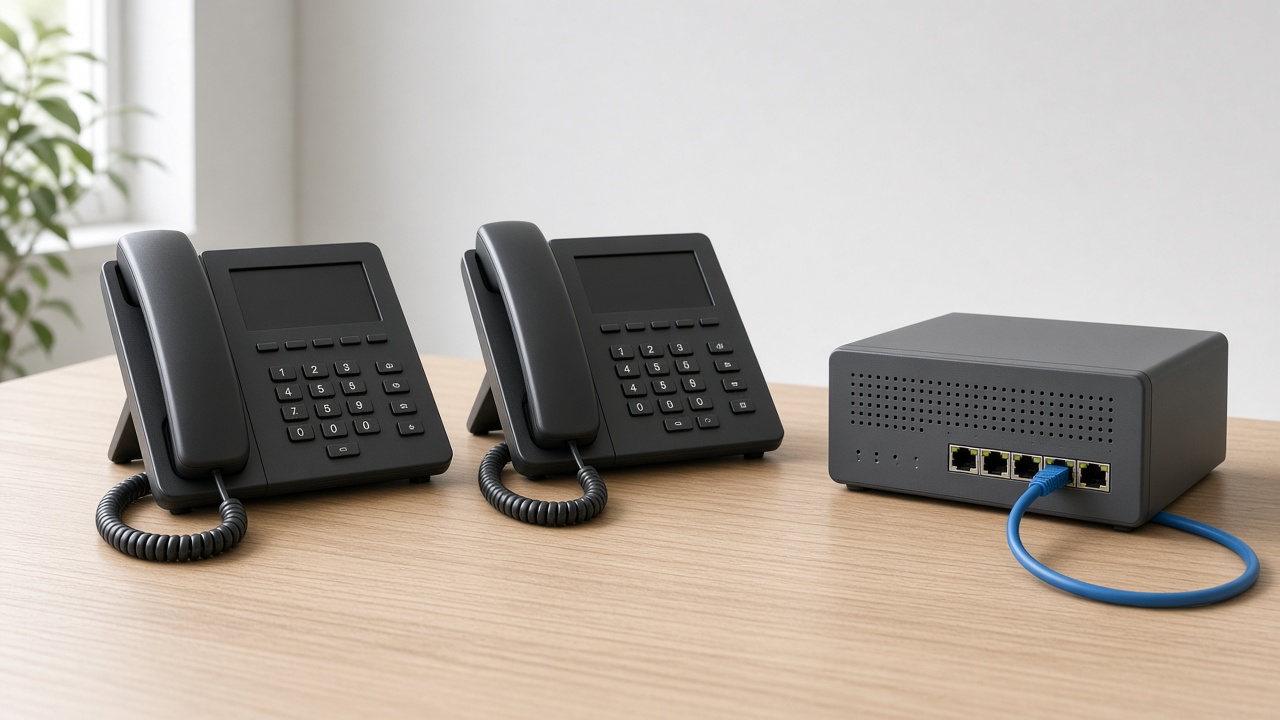
How to configure a SIP trunk on a Yeastar PBX
On Yeastar the SIP trunk is the operator account on the system. Without a registered trunk, Fanvil extensions do not reach the outside. In Mozambique the line comes through Movitel, Vodacom or Tmcel.
 Network
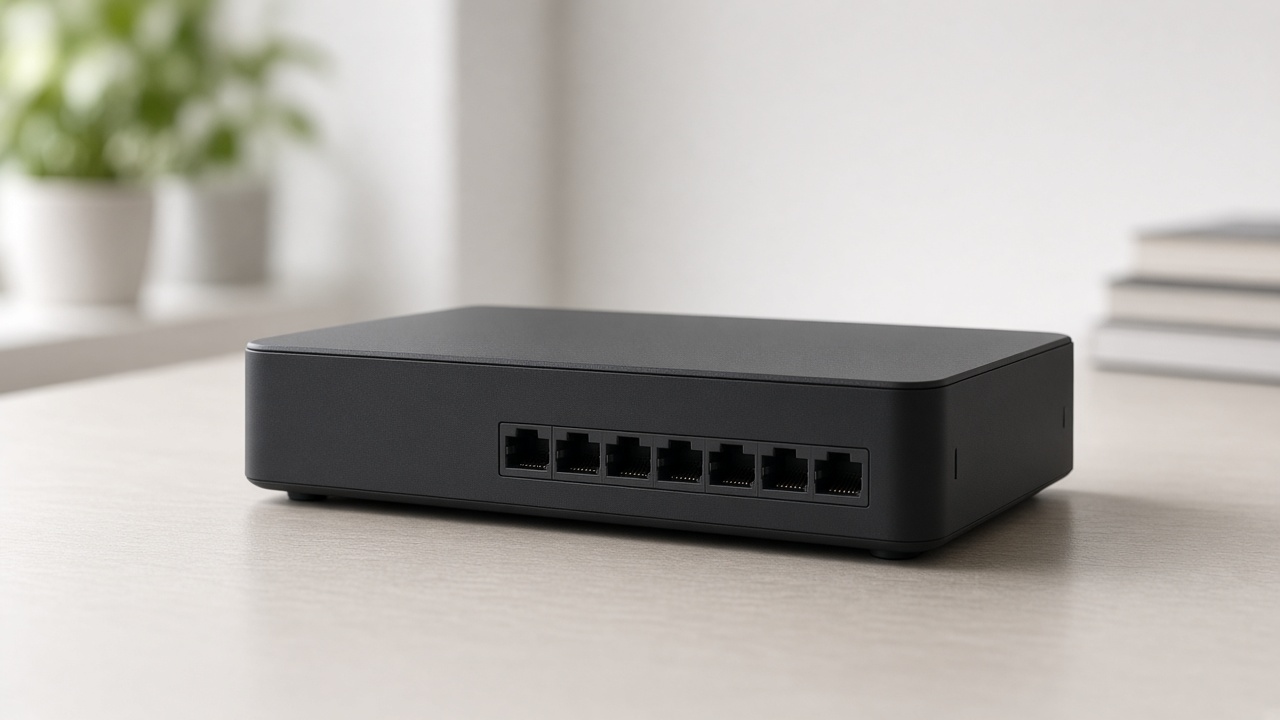
What is a router
A router links the office network to the internet and decides the path of the traffic. It is not the switch, it is not the access point and it is not the firewall.