 PT
 EN
PoC radio
When PoC costs less than a private radio network — and when it does not
There is no published figure at which PoC becomes cheaper than a repeater. It depends on how many radios, how many sites and how many years. Figures close in the quote.
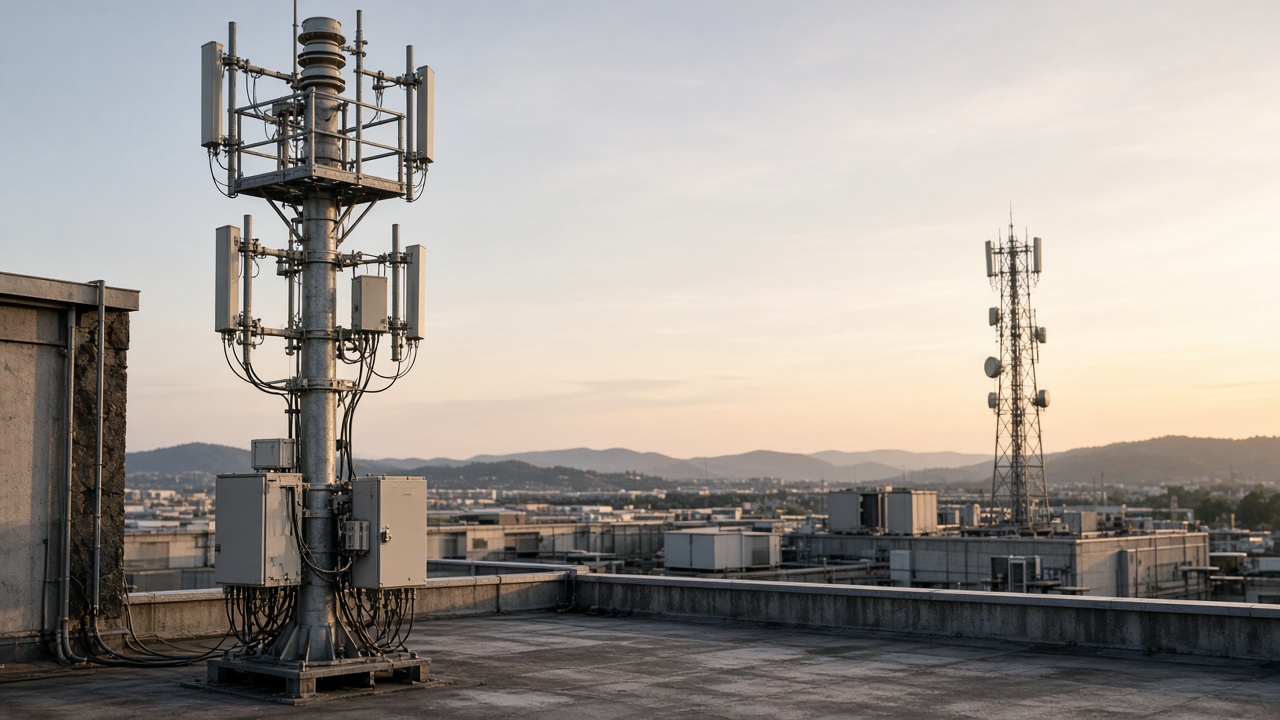
A buyer comparing PoC with a private radio network often wants one number: from how many people one side becomes cheaper. That figure is not published. It moves with headcount, with the number of sites, with the years of use and with what is already on the ground.
Palo Security supplies PoC radios and two-way radios on UHF or VHF. PoC lines include Hytera, Inrico, ICOM, Caltta and Kirisun; two-way lines include Hytera, Motorola, ICOM, Caltta and Kirisun. This article explains the variables. It does not publish prices. The article on PoC total cost lists the PoC service lines; this article compares both systems over the same horizon.
The two sides
A private network is two-way radio on the site: handhelds, vehicle, base station, and a repeater and antenna when the site range needs them. The call stays on the authorised frequency. It does not need the internet for PTT inside site coverage.
PoC talks over a data network — a SIM, site Wi-Fi or Wi-Fi from a Starlink antenna — and over an account in the service. With no data, PTT does not leave the set. The difference between the two systems is in another article; here the point is what each one makes you pay over time.
The number of radios
On a private network the repeater, the antenna and the frequency authorisation are mostly a site cost. With more people on the same compound, that line is shared. Channel capacity is confirmed in the design, not by an invented headcount.
On hosted PoC the account and the data plan usually follow each set. The line grows with the fleet instead of flattening. A small headcount spread across several posts tends to favour PoC at the start. A large, stable headcount on one compound gives a private network more time to spread what was spent building the site.
One compound or several posts
A private network is drawn for one place. Another site far away — another mine, another city, another convoy — needs its own coverage: repeater, antenna, and a link between sites if the call must leave the wall. Each new footprint adds infrastructure.
PoC, where data exists, can link distant posts without a second repeater. Coverage on the mobile network and, indoors, Wi-Fi still have to be checked. With no network and no Starlink at the workplace, PoC does not replace the site radio. The Starlink article and the Iridium article cover those extremes.
What the patrol needs to hear
On the compound a private network can be designed for the yard, the warehouse and reception. PoC depends on the operator signal and on whatever Wi-Fi exists. Neither architecture guarantees coverage on its own.
If the operation cannot lose PTT inside the building, a private network can still be justified at a moderate headcount. If the team can live with the operator’s gaps and needs to talk between cities, PoC can serve regardless of size.
Paying for the build or paying every month
Hosted PoC brings lines that repeat for as long as the fleet exists: service, SIM or data, support. A private network puts more at the start — repeater, antenna, installation, authorisation — and then continues with power, maintenance and frequency renewal. Both sides have costs after the purchase.
Over a long horizon the build can pay off if it avoids the monthly line. The exact point only appears when both quotes use the same years, the same number of radios and the same sites. Do not compare a PoC handset price with a repeater price on its own.
What to put in both requests, with the same numbers
Fix the years, the headcount and the sites first. Then ask for both totals on that basis.
- Sets: handhelds, vehicle and base — on both systems, according to the shift.
- Private network: repeater, antenna, installation, frequency authorisation, site power and maintenance.
- PoC: service account, SIM or Wi-Fi or Starlink, programming of the sets, support.
- Replacement and repair over the same horizon, on both sides.
The crossover is the point at which those two sums, over those years, come out equal for that operation. It is not a figure Palo Security publishes for every team. It comes from the two quotes filled in.
Both systems in the same request
Many patrols do not pick one system for everything. UHF or VHF on the compound, PoC for the long link, Iridium only on the route with no data. The patrol set — handheld, vehicle and base station — applies on both sides. Tell us what already exists on site: repeater, PoC account, Starlink.
What to say in the request
- How many radios per site and for which role.
- How many sites and whether the call must leave the compound.
- How many years you want both quotes to cover.
- Whether a repeater, an authorised frequency, a PoC account or Starlink already exists.
- Whether PTT inside the building may fail with the operator, or must not.
With this we prepare both sides in parallel. The two-way vs PoC article closes the system; the UHF and VHF article closes the band; the PoC total-cost article closes the monthly lines. Figures close in the request.
Need this for the team?
Tell us the quantity and the site. We prepare the quote.
More articles
 Cameras
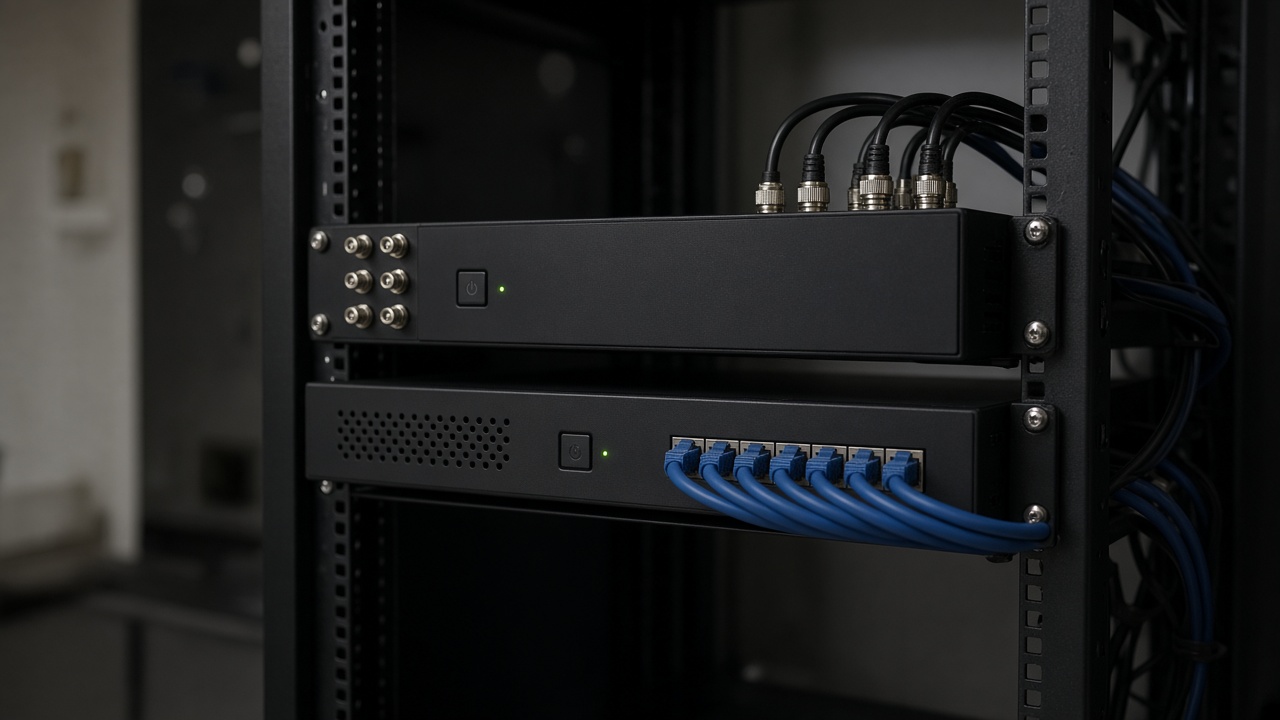
Difference between DVR and NVR
A DVR stores the cameras wired to the unit. An NVR records IP cameras on the site network. They are two recorders, not the same box under another name.
 Cameras
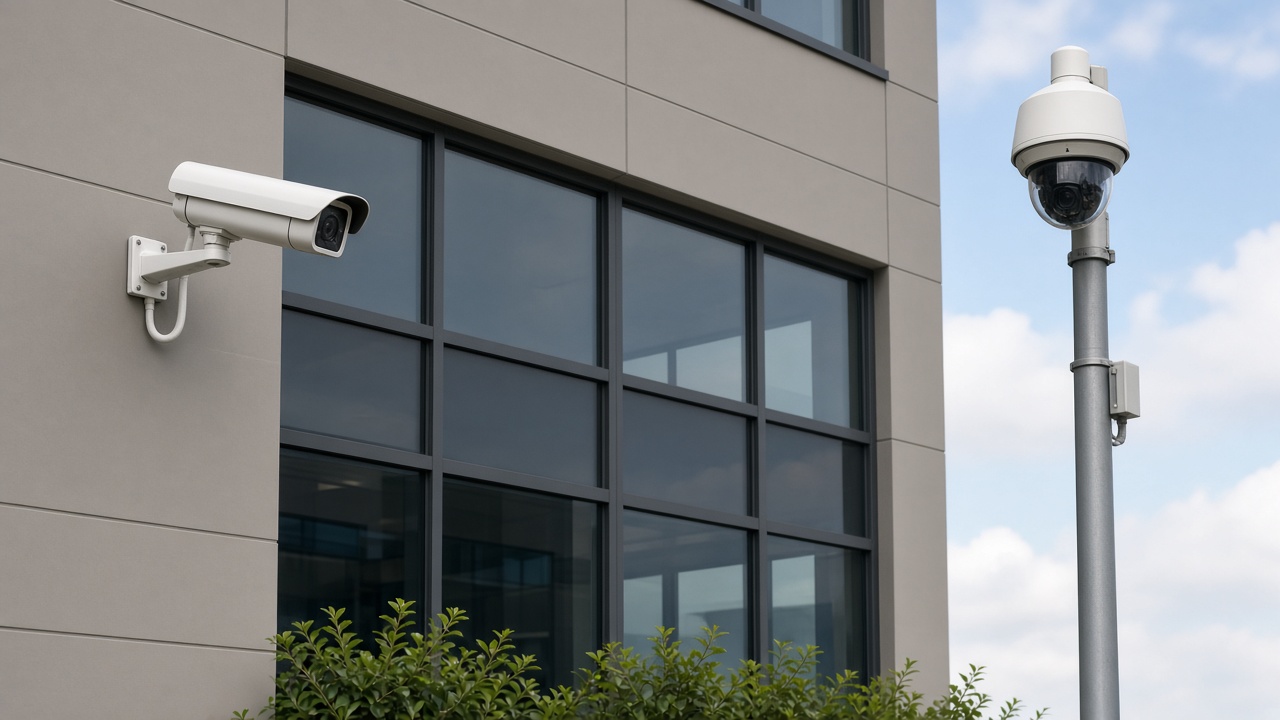
Fixed camera vs PTZ
A fixed camera covers one view: the door, the corridor, the gate. A PTZ pans and zooms across a wide area. One does not replace the other across the whole site.
 Perimeter
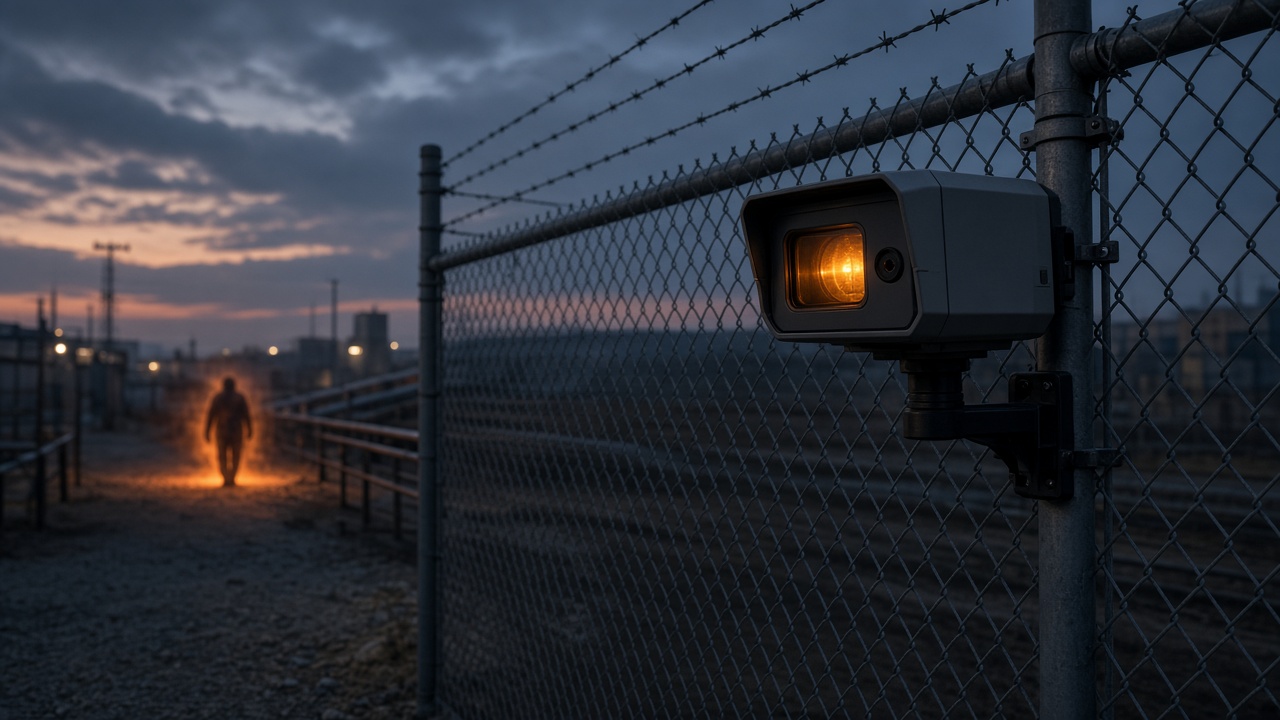
Thermal camera on the perimeter
A thermal camera sees heat when the light does not reach. It does not replace the camera that needs to identify a face in colour. On the perimeter the two roles are different.