 PT
 EN
UHF and VHF
Difference between UHF and VHF radios
UHF behaves better in buildings and cities. VHF goes farther in open country. The choice depends on the terrain.
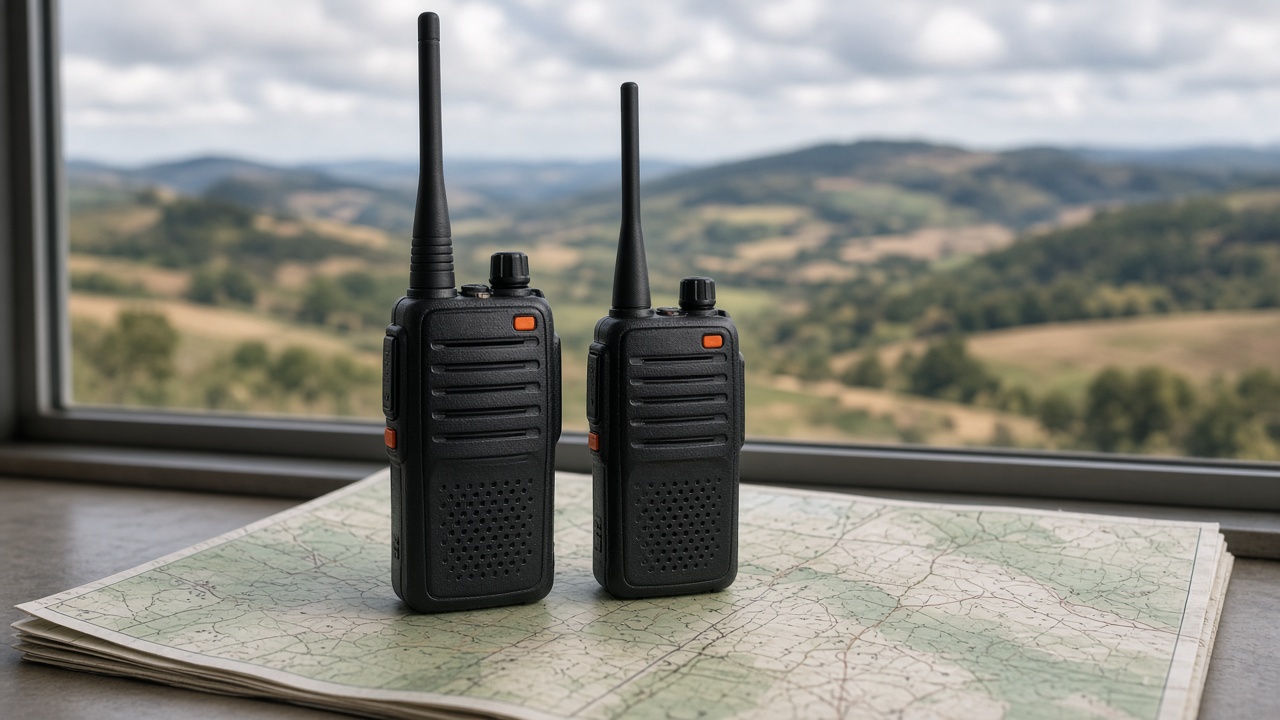
UHF and VHF are the two bands most used in security and operations radio. They are not brands. They are the kind of frequency the radio uses to talk to another radio, without the internet.
Palo Security supplies UHF and VHF radios — handhelds, vehicle sets and base stations. The lines are Hytera, Motorola, ICOM, Caltta and Kirisun. Quantity and the band are set in the quote.
VHF
VHF (Very High Frequency) uses a longer wave. In open country, coast, road and rural areas it usually reaches farther at the same power. It goes through walls, concrete and tight streets less well.
UHF
UHF (Ultra High Frequency) uses a shorter wave. It enters buildings, warehouses, surface mines with structures and dense neighbourhoods more readily. In very open country the useful range is usually shorter than VHF for the same set.
How to choose on the ground
- City, hotel, mall, office: UHF.
- Farm, long road, coast, open perimeter: VHF.
- One site with several floors: UHF, often with a repeater.
- A vehicle on a national road and a base in the field: VHF.
UHF and VHF need an authorised frequency. They do not mix on the same channel. A UHF radio does not talk to a VHF radio. Palo Security sets the band and the set in the request, according to the site.
Need this for the team?
Tell us the quantity and the site. We prepare the quote.
More articles
 Cameras
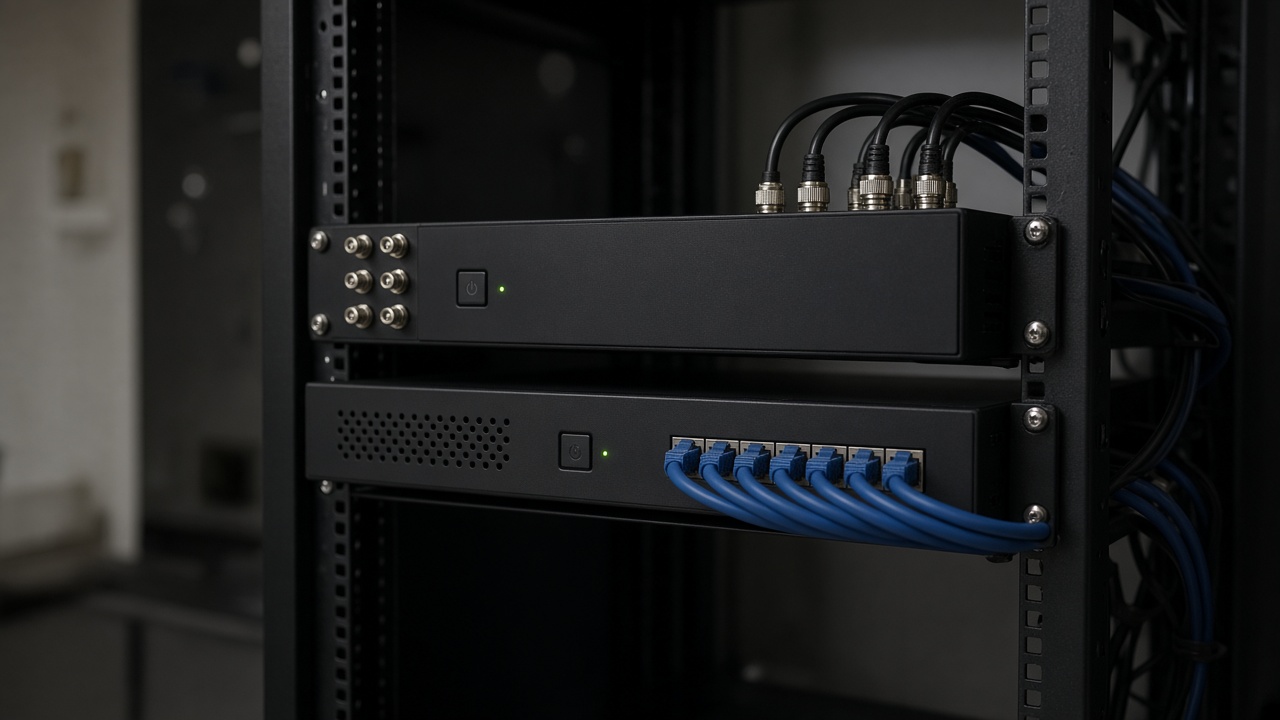
Difference between DVR and NVR
A DVR stores the cameras wired to the unit. An NVR records IP cameras on the site network. They are two recorders, not the same box under another name.
 Cameras
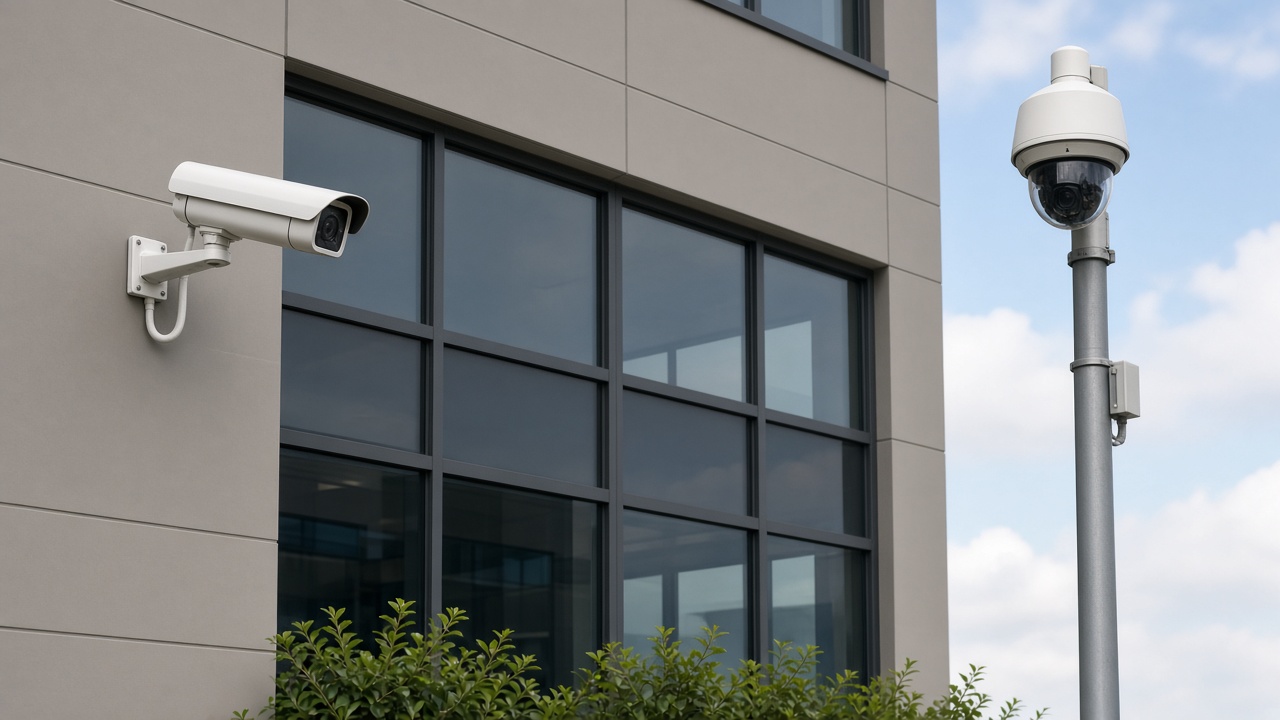
Fixed camera vs PTZ
A fixed camera covers one view: the door, the corridor, the gate. A PTZ pans and zooms across a wide area. One does not replace the other across the whole site.
 Perimeter
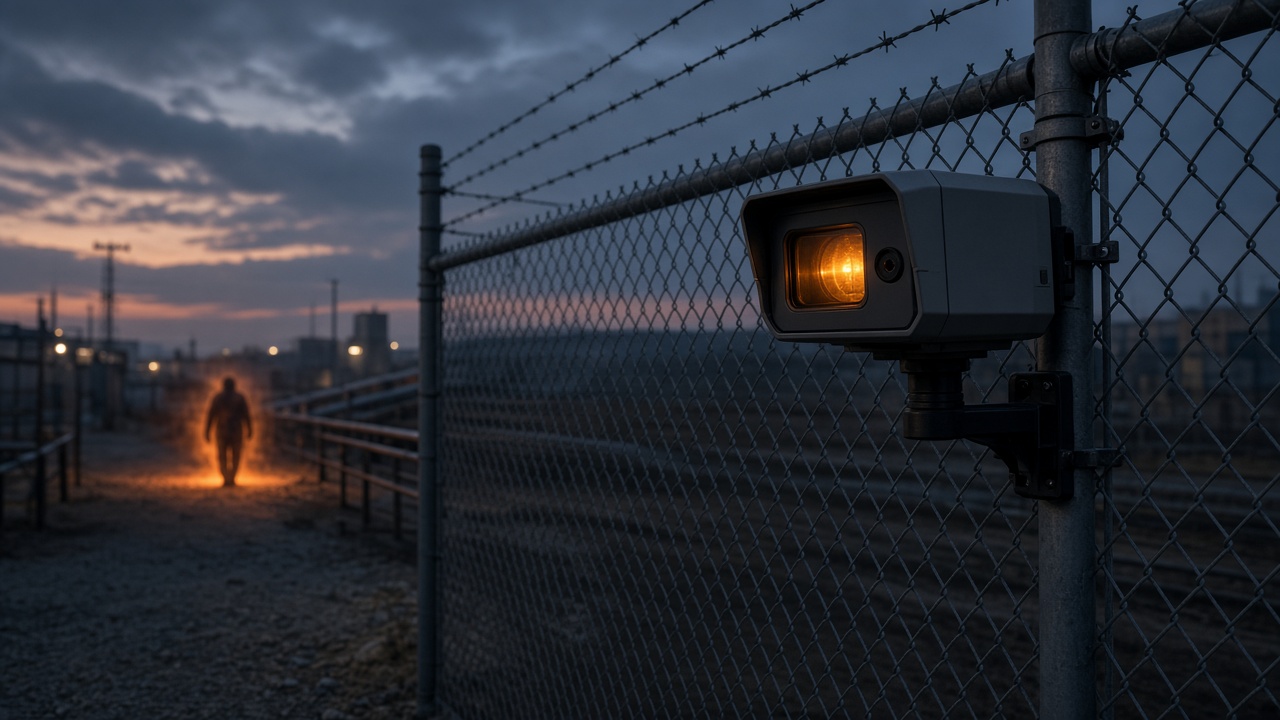
Thermal camera on the perimeter
A thermal camera sees heat when the light does not reach. It does not replace the camera that needs to identify a face in colour. On the perimeter the two roles are different.