 PT
 EN
TETRA and DMR
Difference between TETRA and DMR
TETRA and DMR are two digital two-way radio standards. Both talk on a frequency, without the internet. They differ in channel architecture and in the kind of operation they suit.
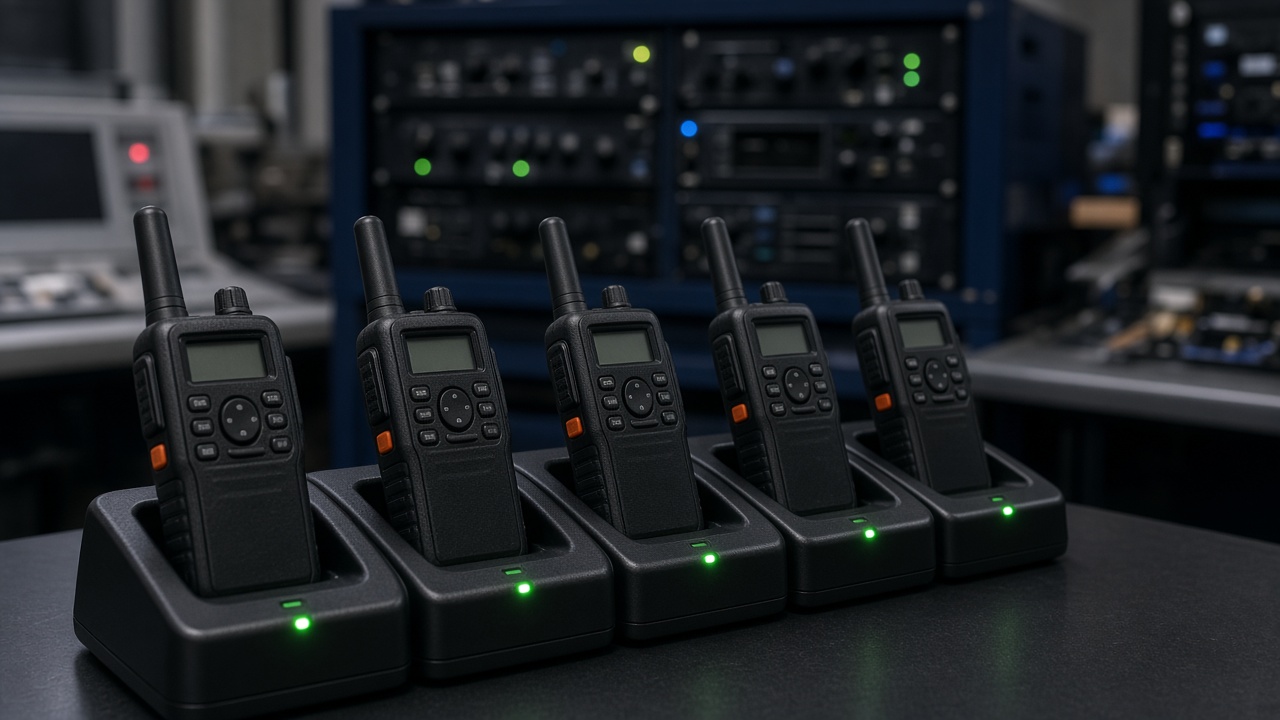
TETRA and DMR are digital two-way radio standards. PTT goes radio to radio, or through a repeater, on an authorised frequency. They do not use a SIM or Wi-Fi. That sets them apart from PoC, covered in another article.
Palo Security supplies digital two-way radios. The lines include Hytera, Motorola, ICOM, Caltta and Kirisun. The standard, the band and the quantity are set in the quote.
What each was built for
TETRA (Terrestrial Trunked Radio) was built for operations with many groups on the same site and calls that take priority — public safety, airport, port, a dense compound.
DMR (Digital Mobile Radio) was built for business, industry, logistics and private security — a plant, a mine, a hotel, a patrol, a fleet on one site or in one region.
How the channel is split
- TETRA: a 25 kHz carrier split into four time slots (TDMA). Four conversations on the same carrier.
- DMR: a 12.5 kHz carrier split into two slots. Two conversations on the same carrier.
- Both reach the same efficiency per conversation: each voice takes the equivalent of 6.25 kHz.
TETRA puts more conversations on the same site. DMR usually reaches farther per radio site, on the same kind of terrain, because the DMR link budget is more generous. Exact coverage is set in a survey, not in this article.
The three DMR tiers
The DMR standard has three tiers. You enter at what the site needs; a later move to trunking does not force a change of standard.
- Tier I: direct talk, short range, no repeater. Frequency and power depend on authorisation in the country. The country does not inherit another market’s licence-free band.
- Tier II: the usual enterprise set. A repeater, two slots, voice and short messages, position when the set carries GPS.
- Tier III: trunking. A controller assigns channels. Several sites, priority, dynamic groups. Suits a regional network, a utility, a large complex.
How to choose
- Many groups on the same site, a call that must open first, several forces on one compound: TETRA.
- A factory, hotel, patrol, mine, wide coverage with fewer radio sites: DMR.
- Still analogue on site: the digital step is set in the request; analogue does not talk on a DMR or TETRA channel.
- UHF or VHF remains the band. That is another article. TETRA vs DMR is the standard inside digital two-way.
TETRA does not talk on a DMR channel. DMR does not join a TETRA group. PoC joins neither. Tell us the site, the number of groups and whether the call must leave the wall. We prepare the quote. The frequency is authorised separately, with the regulator.
Need this for the team?
Tell us the quantity and the site. We prepare the quote.
More articles
 Cameras
Difference between DVR and NVR
A DVR stores the cameras wired to the unit. An NVR records IP cameras on the site network. They are two recorders, not the same box under another name.
 Cameras
Fixed camera vs PTZ
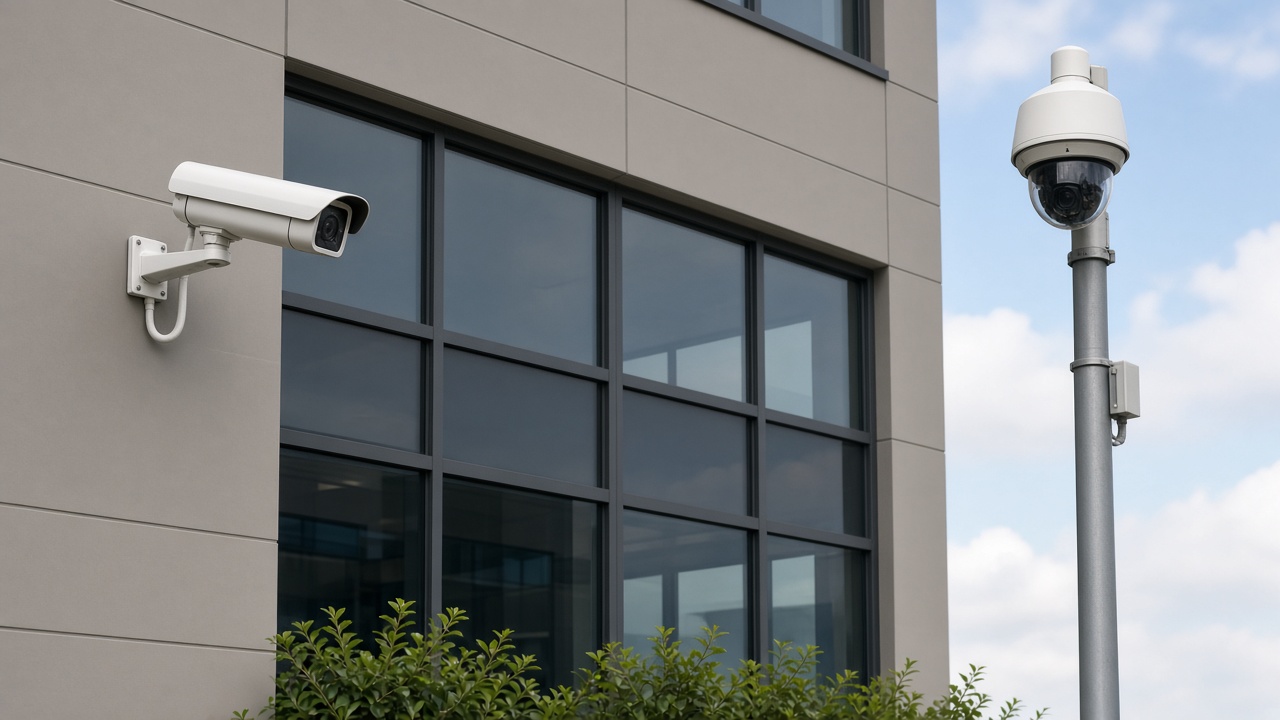
A fixed camera covers one view: the door, the corridor, the gate. A PTZ pans and zooms across a wide area. One does not replace the other across the whole site.
 Perimeter
Thermal camera on the perimeter
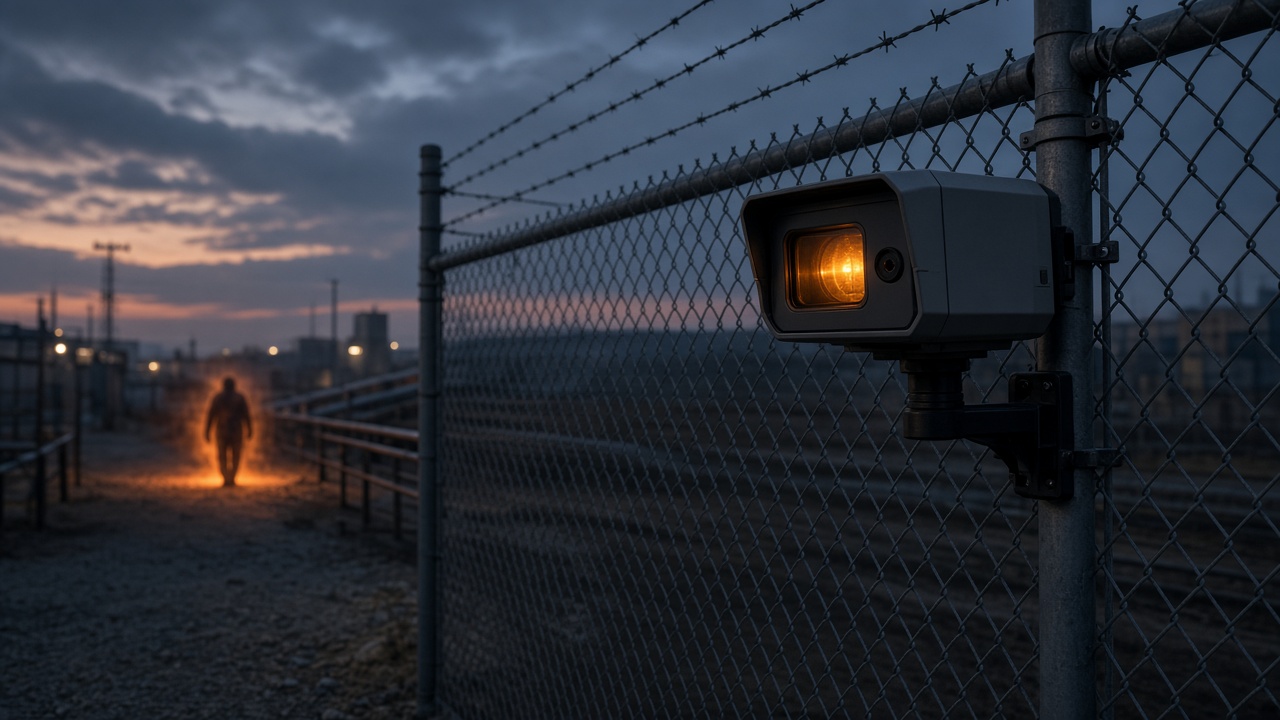
A thermal camera sees heat when the light does not reach. It does not replace the camera that needs to identify a face in colour. On the perimeter the two roles are different.