 PT
 EN
Satellite PTT
Satellite PTT: radio over satellite
Satellite PTT is group PTT over the Iridium network. It is not a satellite phone. It does not replace site UHF or PoC while data is up.
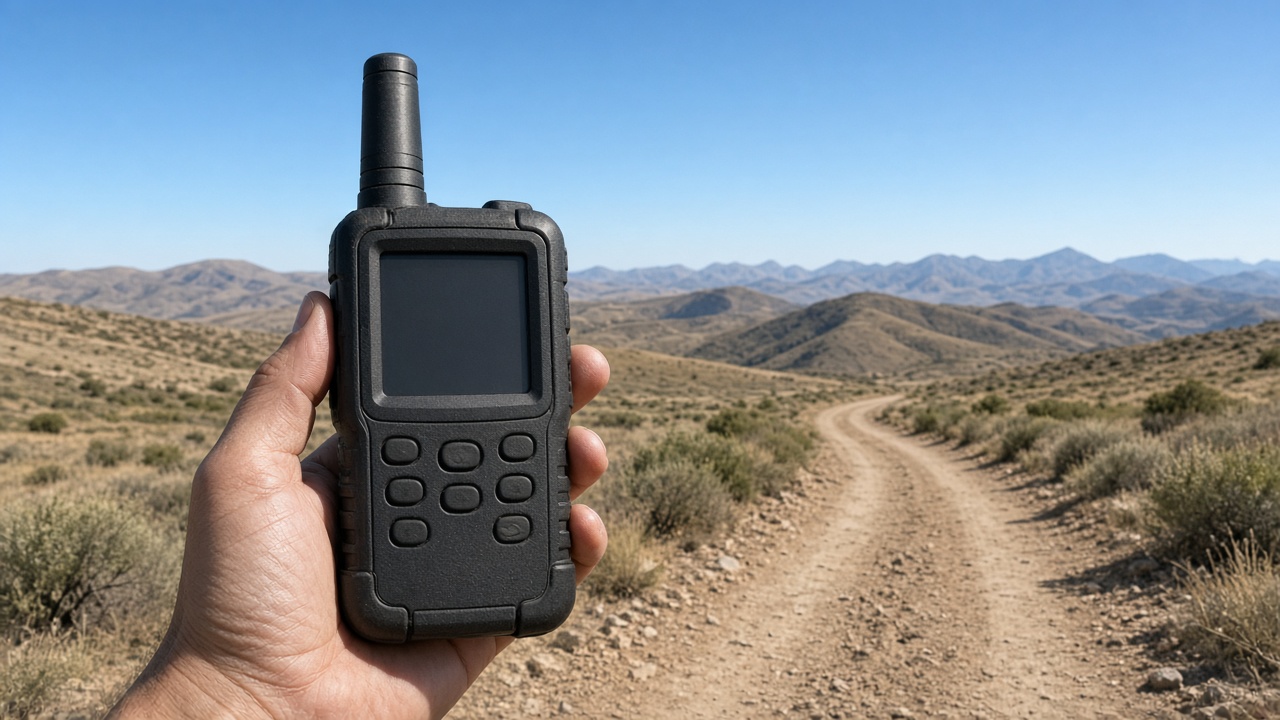
When the tower drops, Wi-Fi is gone and the site repeater cannot see the team, terrestrial PTT stops. Satellite PTT continues: the radio talks to the satellite, with open sky, and the group hears it like a radio — one button, not a call to answer.
Palo Security supplies Iridium satellite radios. For Satellite PTT the lines include ICOM. Quantity and the service are set in the quote. The article on Iridium when there is no network covers when this line comes in; this article explains what Satellite PTT is.
What Satellite PTT is
Satellite PTT is Push-to-Talk over the Iridium satellite network. Audio does not go on the site UHF or VHF channel or on the operator SIM. It goes up to the satellite and down to the other radios in the group. It suits the patrol, the convoy and the post far from the control room, when the ground no longer delivers data.
It is not a satellite phone
A satellite phone links one to one. Someone has to answer. Satellite PTT opens the group: one PTT reaches every set in the same conversation. It does not replace the phone for a private call. Do not request one for the other.
Two places for the set
- In the hand, on patrol or in the field: the radio needs open sky at the call point.
- In the vehicle or at a post: the antenna sits outside — roof or wall — and the set stays inside. With no antenna seeing the sky, PTT does not leave.
The set — handheld, vehicle or post — closes in the request. We do not invent the model or the battery hours.
Beside two-way and PoC
- Two-way on site: local frequency, no internet. It runs on the site repeater’s battery. It does not reach when the terrain hides the control room.
- PoC (IP radio): SIM or Wi-Fi. It stops when the operator and Wi-Fi drop.
- Satellite PTT: Iridium satellite, open sky. It does not depend on the tower or the camp router.
- They do not talk on the same channel. Joining the satellite group to the site channel, if the operation asks for it, closes in the quote — this article does not invent the box.
What the satellite does not do
- With no open sky, PTT does not leave. A basement, a closed hangar and dense bush need an outdoor antenna or another system indoors.
- It does not replace the UHF or VHF radio on a short site patrol.
- It does not replace PoC while data is up: satellite is the line when the ground fails, not the everyday channel.
- There is an account in the service. Figures close in the quote. This article does not publish prices.
What to say in the request
- How many sets — usually the vehicle or the supervisor, not every guard.
- Whether PTT is in the hand (open sky) or at a post and in the vehicle (antenna outside).
- Whether two-way or PoC already exists on site, and whether the groups must hear each other.
- The kind of route: convoy, coast, reserve, a post far from the control room.
Tell us the headcount that needs satellite and what already exists on the ground. We prepare the quote.
Need this for the team?
Tell us the quantity and the site. We prepare the quote.
More articles
 Cameras
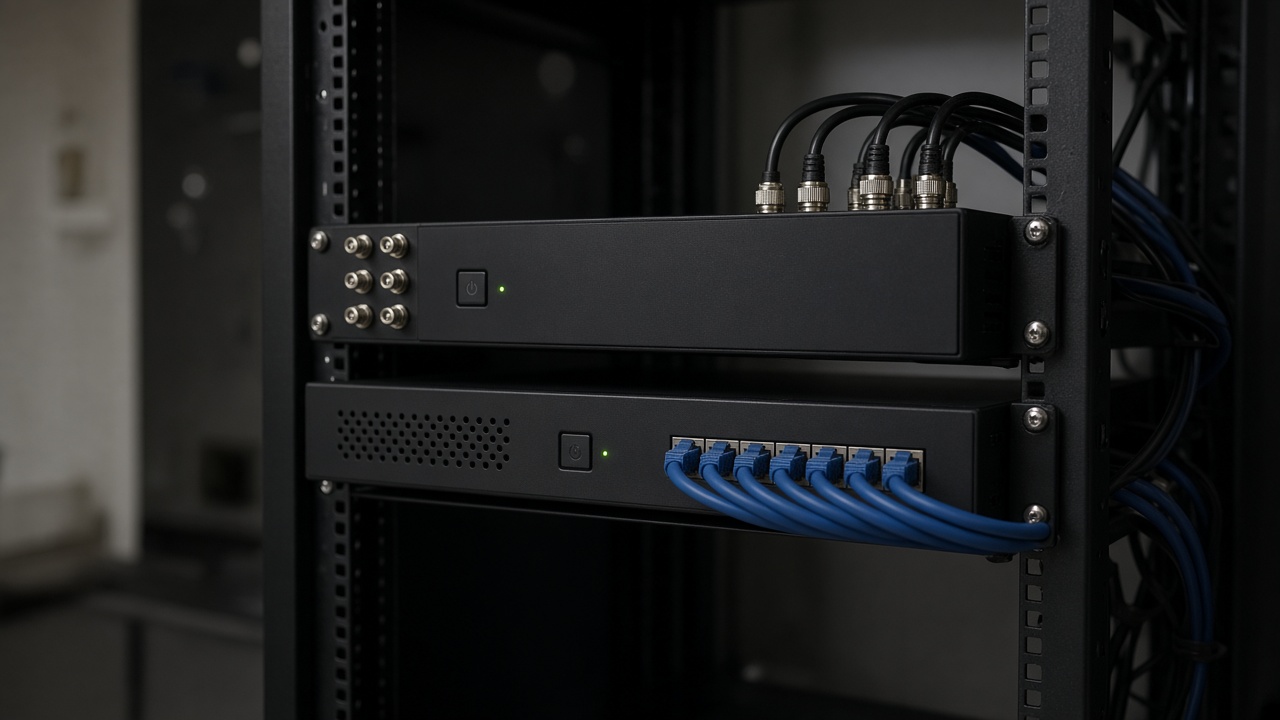
Difference between DVR and NVR
A DVR stores the cameras wired to the unit. An NVR records IP cameras on the site network. They are two recorders, not the same box under another name.
 Cameras
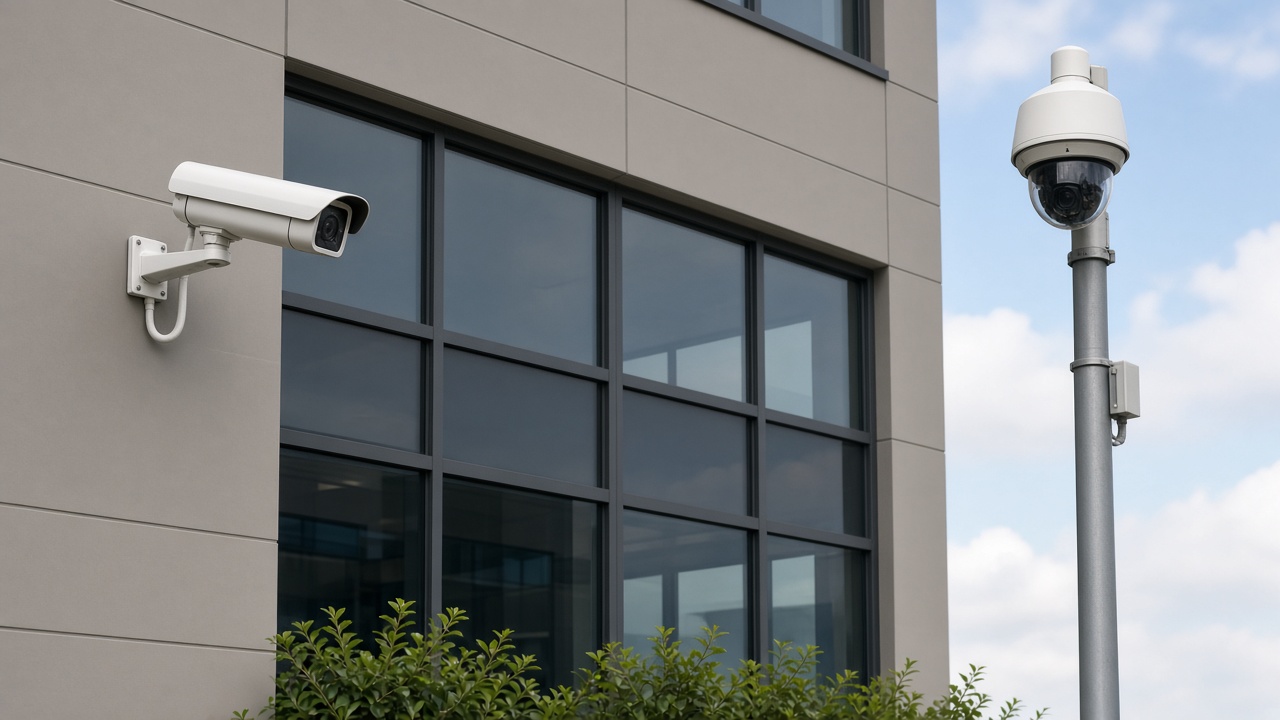
Fixed camera vs PTZ
A fixed camera covers one view: the door, the corridor, the gate. A PTZ pans and zooms across a wide area. One does not replace the other across the whole site.
 Perimeter
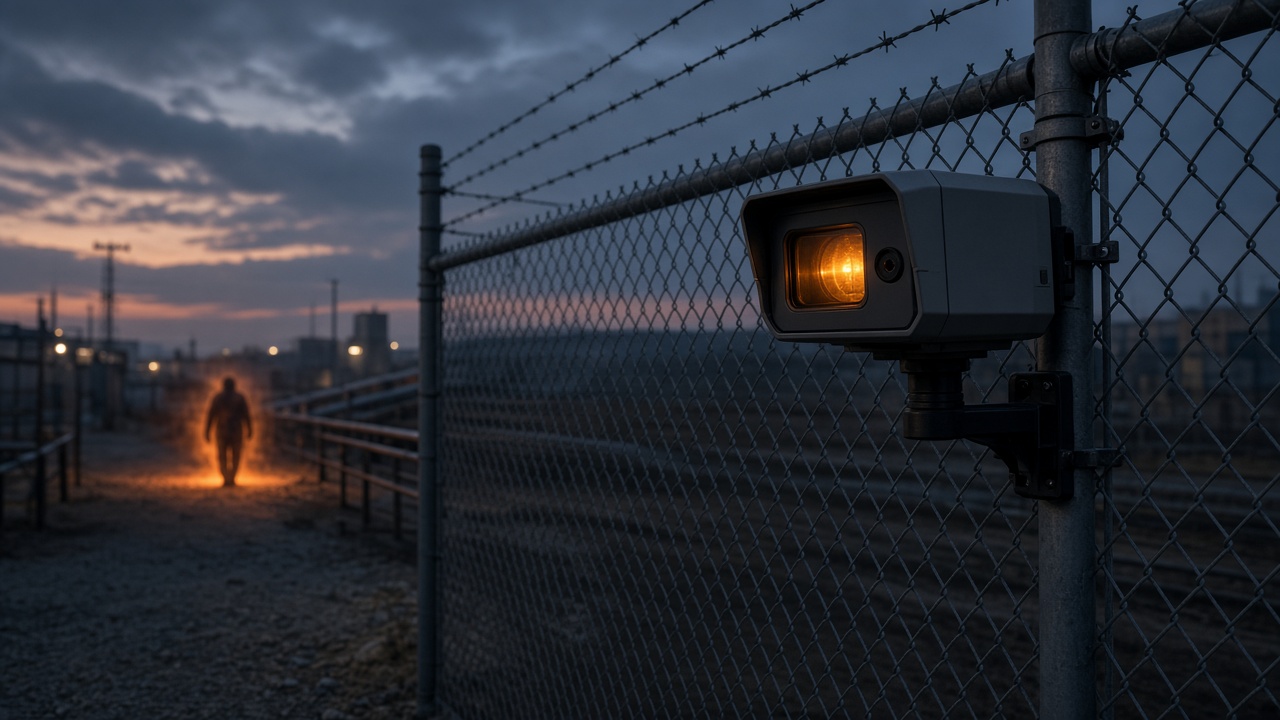
Thermal camera on the perimeter
A thermal camera sees heat when the light does not reach. It does not replace the camera that needs to identify a face in colour. On the perimeter the two roles are different.