 PT
 EN
Fleet
GPS tracker vs MDVR
The tracker says where the vehicle is. The MDVR shows what is happening on the road and in the cab. They are two jobs, not the same unit under another name.
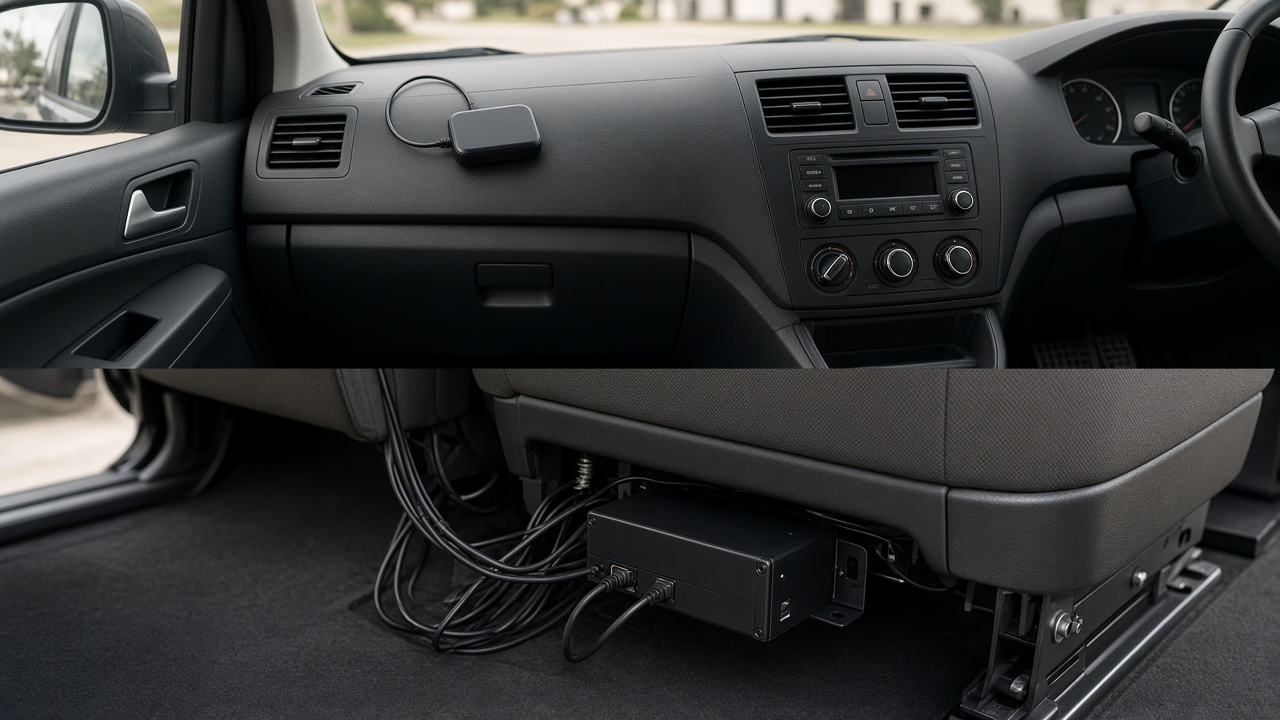
In a fleet request the point on the map and the video from the vehicle are easy to mix. The GPS tracker answers position. The MDVR answers the picture. Mixing the names leads to a quote for the wrong system.
Palo Security supplies Jimi IoT, Teltonika, Garmin and Queclink trackers, the tracking platform, and Streamax and Howen MDVR cameras. The number of vehicles sets both sides in the quote.
The GPS tracker
The tracker goes in the vehicle and sends position. The control room sees the fleet on the map: where each unit is, whether it is moving, whether it has stopped. It suits patrol, response and the route report. Alerts — as the request sets them — notify the control room. Without the tracker, the control room has no point for the vehicle.
The platform
The unit alone does not show the fleet to the person who coordinates. The tracking platform is the screen where the company sees the vehicles. Access is requested with the trackers, or on its own if the fleet already has equipment. The MDVR does not replace that screen: video is another window.
The MDVR
MDVR is the vehicle video recorder. The cameras look forward, into the cab and, if the request asks, to the sides or the rear. Video stays on the unit and can go to the control room when data is available. It is there to see what the vehicle met, not only the point on the map. The MDVR camera article covers that role in more detail.
They are not the same unit
- The tracker answers: where the vehicle is.
- The MDVR answers: what is seen on the road and in the cab.
- The platform shows the fleet on the map. Vehicle video is another screen.
- One does not close the request for the other. An operation that needs both requests both.
When the tracker is enough
If the control room only needs to know where the vehicle is, whether it kept to the route and whether it stopped off the expected path, the tracker and the platform are enough. We do not invent cameras in that request.
When the MDVR comes in
If the patrol needs to see what happened on the spot — the road, the approach, the cab — the MDVR comes in. Position remains the tracker’s job. Both go in the same request when the patrol fleet needs the point and the picture.
What to say in the request
- How many vehicles need a point on the map.
- Whether a tracker or a platform already exists in the fleet.
- How many vehicles need cameras, and how many cameras per vehicle — front, cab, rear.
- Whether the control room needs live video or recording only.
We do not invent the kit. The number of vehicles and what the control room needs to see close the set. Tell us the fleet and we prepare the quote.
Need this for the team?
Tell us the quantity and the site. We prepare the quote.
More articles
 Cameras
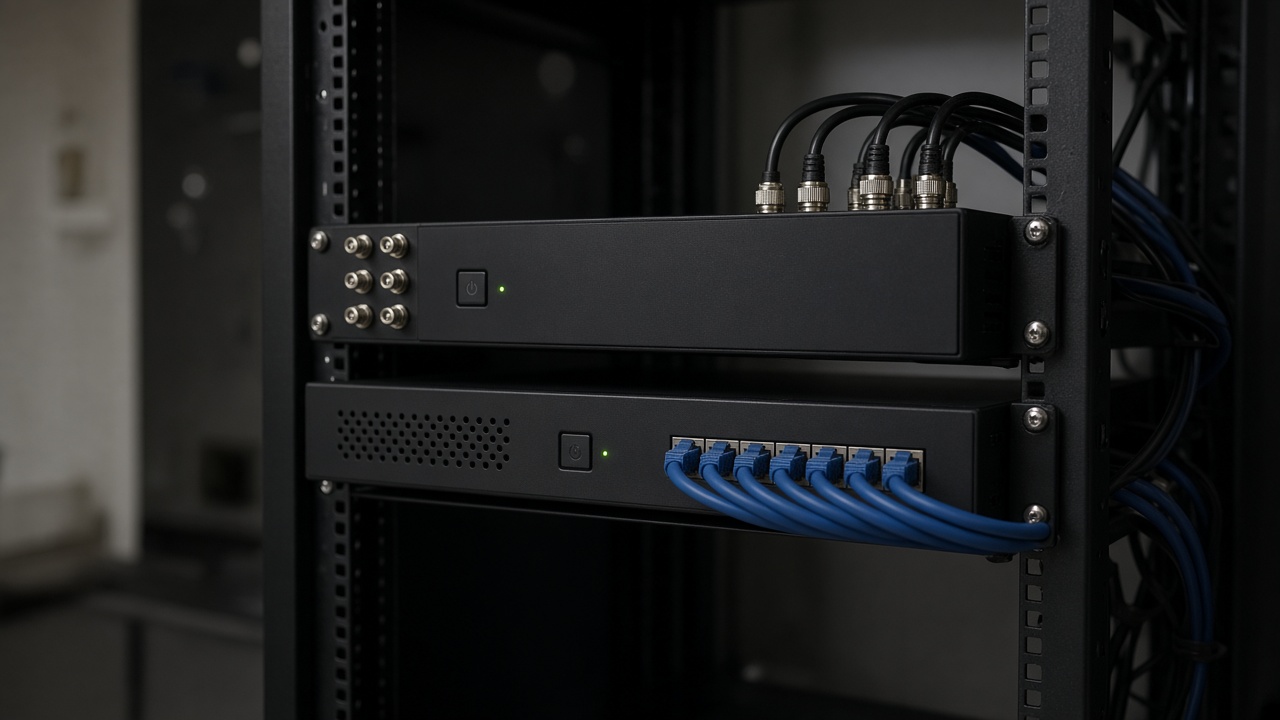
Difference between DVR and NVR
A DVR stores the cameras wired to the unit. An NVR records IP cameras on the site network. They are two recorders, not the same box under another name.
 Cameras
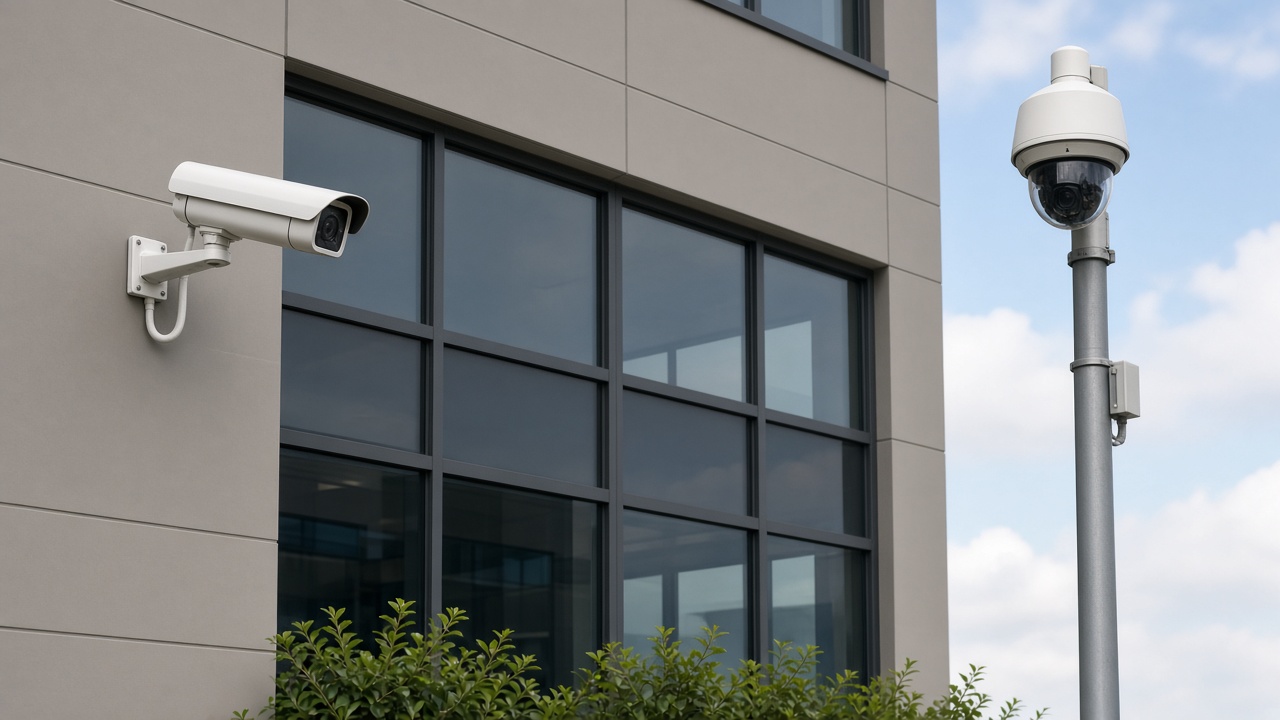
Fixed camera vs PTZ
A fixed camera covers one view: the door, the corridor, the gate. A PTZ pans and zooms across a wide area. One does not replace the other across the whole site.
 Perimeter
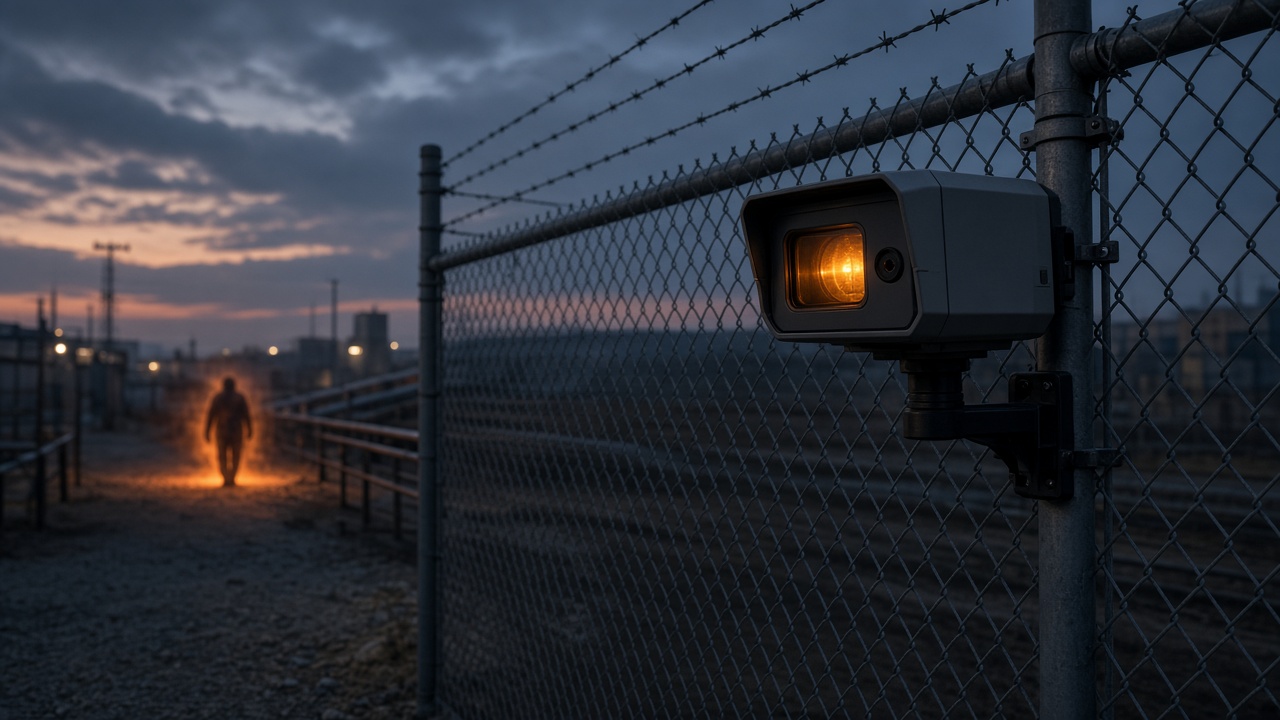
Thermal camera on the perimeter
A thermal camera sees heat when the light does not reach. It does not replace the camera that needs to identify a face in colour. On the perimeter the two roles are different.